The Polyface Principle - Joel Salatin's Blueprint for Texas Regenerative Ranching
Discover how Joel Salatin's Polyface Farm principles can transform Texas ranching. Learn practical regenerative agriculture strategies from America's most influential farmer that work in the Lone Star State.
REGENERATIVE AGRICULTURETEXAS AGRICULTUREFARM LIFE & TEXAS RANCHING
Troy Patterson
12/16/202512 min read
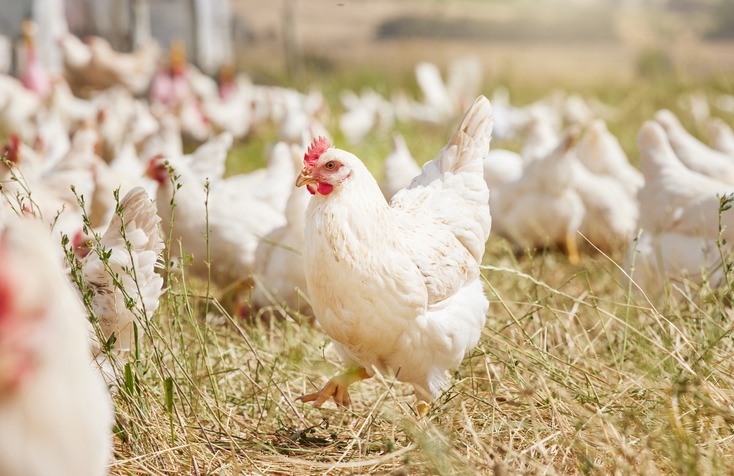
Many Texas farmers, ranchers and homesteaders know Joel Salatin's name. His Polyface Farm in Swoope, Virginia's Shenandoah Valley has become the gold standard for sustainable agriculture in America. But here's what matters for those of us raising cattle in Texas: Joel Salatin's principles aren't just Virginia farm philosophy - they're a practical blueprint that works even better in our longer growing seasons and diverse Texas ecosystems.
I've studied Salatin's work for the last few years, and what strikes me most is how his methods solve the exact problems Texas ranchers face daily. He's not just preaching soil health and animal welfare. He's showing us how to dramatically increase profitability per acre while building resilient farms that improve with each passing year.
Who Is Joel Salatin?
Joel Salatin calls himself a "Christian libertarian environmentalist capitalist lunatic farmer." That description might sound like a contradiction, but it perfectly captures his approach to food and farming. He took over Polyface from his parents in 1982, and over four decades he's transformed it into the most celebrated regenerative family farm in America.
This author and educator has written more than a dozen books, including Pastured Poultry Profits, Salad Bar Beef, and Everything I Want to Do is Illegal. He's appeared in the documentary Food, Inc. and speaks at conferences around the world. His YouTube channel and frequent radio appearances help promote alternative farming practices to farmers and consumers alike. He's been featured in magazines from Smithsonian to National Geographic, earning awards and recognition as one of agriculture's most influential voices.
But beyond the fame, Joel Salatin has proven something crucial: sustainable farming isn't just environmentally sound - it's more profitable than conventional methods when you account for reduced input costs and premium pricing. His farm operates on approximately 950 acres (700 acres of forest and 250 acres of open pasture) plus an additional 1,500 leased acres across about 15 different properties, supporting multiple families full-time with record sales serving over 50 restaurants and thousands of direct customers. That's the kind of per-acre productivity that should make every Texas rancher pay attention.
The Core Polyface Principles
Salatin's system rests on principles that align perfectly with what we know about regenerative agriculture. These aren't complicated theories - they're observations of how nature actually works.
Biomimicry - Copying Nature's Patterns
Joel constantly asks: "What would nature do here?" Wild herbivores bunch together for protection, graze intensively, and move on. Predators and scavengers follow behind, spreading manure and breaking pest cycles. Birds pick through dung for insects, further distributing nutrients.
Polyface Farm copies these patterns. Cattle graze in tight groups through small paddocks, getting moved to fresh grass daily. Three days later, mobile chicken coops follow the same path. The birds scratch through the cow patties, spreading the manure while eating fly larvae and parasites. This multi-species grazing approach creates a symbiotic biological pest control system that eliminates the need for chemical interventions.
In Texas, this principle works even better because our longer growing season means more grazing days and more integration opportunities. Where Joel might run his cattle-chicken rotation for 200 days, Texas ranchers in the southern regions can potentially run it for 280 days or more.
Stacking Functions and Enterprises
Here's where the farm's genius really shows. Every element on the landscape performs multiple functions, and multiple species share the same acres throughout the year.
The same pasture that supports cattle in spring feeds pigs in summer and poultry in fall. The mobile chicken coops provide shade for broilers while building soil fertility for next year's grass. Rabbits raised in stacked cages fertilize greenhouse beds below them. Even the water systems do double duty - irrigation ponds also raise fish and ducks.
This enterprise stacking means Polyface generates revenue from the same acre multiple times per year. According to Joel Salatin's own numbers shared in his book You Can Farm, Polyface produces about $3,000 per acre annually from their productive pastureland. Compare that to typical Texas cow-calf operations that might generate $100-$300 per acre, and you start seeing the potential as a solution to economic pressures facing conventional farms.
For Texas ranchers, this means looking beyond the traditional cow-calf model. We have the climate to run pastured poultry behind cattle, direct-market premium grass fed beef, and potentially add pigs or laying hens. Each enterprise stacks on the others without requiring more land.
Grass-Based Perennial Polycultures
Joel refuses to plow. His farm runs on permanent pasture - perennial grasses and forbs that hold soil year-round. This isn't laziness. It's recognition that annual tillage destroys soil structure, kills beneficial fungi, and releases stored carbon.
The pastures contain diverse plant species: grasses, clovers, chicory, plantain, and dozens of other forbs. This diversity provides multiple benefits. Different plants root at different depths, accessing various soil nutrients. Some fix nitrogen from the air. Others accumulate minerals. The variety means something is always growing, even during stress periods.
Research from Texas A&M shows that diverse pastures in Texas outperform monoculture grass stands, especially during our unpredictable weather swings. When one species struggles in drought or heat, others compensate. The deep-rooted perennials also build soil organic matter faster than annuals, improving water retention with each passing year - a healing practice for degraded land.
Relationship Marketing and Local Food Systems
Joel won't sell to Whole Foods. He could - they've asked repeatedly. But Polyface only sells direct to consumers or through relationships with local restaurants and buying clubs within their foodshed and bioregion. Why? Because the connection between farmer and eater matters as much as the farming method itself - it's a moral issue of conscience and integrity.
This direct marketing strategy captures full retail value rather than wholesale commodity prices. When Texas ranchers sell finished cattle to feedlots, they might get $1.50 per pound live weight. Selling grass fed beef direct-to-consumer, those same animals can return $8-$12 per pound of packaged beef - a 400% increase in revenue that helps produce healthier food while keeping folk connected to their food sources.
Polyface customers visit the farm. They see the animals on pasture. They understand why the beef and pork cost more. That relationship builds loyalty that survives price competition from grocery stores and commercial operations.
For Texas ranchers considering this model, our metropolitan areas offer huge advantages. The Dallas-Fort Worth metroplex alone has 8 million people. Houston has 7 million. Austin, San Antonio, and other cities add millions more. We have massive urban populations within a few hours of most Texas farms - perfect for direct marketing healthy food.
The Missing Piece: Marketing and Logistics
Here's the reality that Joel Salatin doesn't talk about much in his books: Polyface's success isn't just about good farming - it's about exceptional marketing and logistics management. Joel has spent decades building his brand, managing customer relationships, coordinating processing schedules, handling inventory, and running a complex distribution system.
For most Texas ranchers, this is the breaking point. You might master rotational grazing and raise incredible grass fed beef, but then face the overwhelming challenge of building a customer base, managing an online store, coordinating USDA processing, storing frozen inventory, and handling delivery logistics. Many ranchers simply don't have the time, infrastructure, or marketing expertise to do what Joel does at Polyface.
That's the gap Texas Grass Fed Farms fills.
A Better Model for Texas Ranchers
What if Texas ranchers could capture premium wholesale pricing for their regeneratively-raised cattle without becoming marketers, website managers, and logistics coordinators? What if you could focus on what you do best - stewarding land and raising healthy animals - while someone else handles everything after the cattle leave your pasture?
That's exactly what Texas Grass Fed Farms offers Texas ranchers practicing regenerative agriculture.
Instead of spending years building your own direct-market customer base like Joel did, Texas Grass Fed Farms provides immediate access to customers across Texas's major metropolitan areas who are actively seeking grass fed beef raised the right way. We handle the marketing, website management, online sales, customer service, processing coordination, inventory management, and distribution logistics.
For ranchers, this means:
Premium wholesale pricing - significantly higher than commodity feedlot prices, without the overhead of direct marketing
Reliable, scheduled purchases - no scrambling to find buyers or dealing with market fluctuations
No marketing burden - focus on ranching, not social media and email campaigns
No processing headaches - we coordinate USDA facilities, cutting instructions, and packaging
No inventory risk - we purchase finished cattle, you don't carry frozen beef inventory
No delivery logistics - we handle storage, order fulfillment, and customer deliveries
This partnership model allows ranchers to implement Joel Salatin's proven regenerative practices while avoiding the entrepreneurial challenges that prevent most farmers from succeeding at direct marketing.
For Texas Consumers: The Polyface Standard at Home
Joel Salatin has created something remarkable at Polyface, and while you can order Polyface products shipped to Texas, there's something powerful about supporting ranchers right here in the Lone Star State who practice these same principles.
The regenerative methods Joel champions - adaptive grazing, no synthetic chemicals, no routine antibiotics or hormones, animals raised on pasture the way God intended - those principles work even better in Texas. Our longer growing season, diverse grasslands, and perfect cattle climate mean Texas ranchers can raise beef that meets or exceeds Polyface standards.
Texas Grass Fed Farms partners with ranchers across Texas who practice these same regenerative methods. When you purchase from us, you're getting:
100% grass fed beef from cattle that never see a feedlot
Regeneratively raised using adaptive multi-paddock grazing that builds soil health
No synthetic fertilizers or glyphosate on pastures
No routine antibiotics or added hormones - healthy animals don't need them
Raised on Texas pastures by ranchers who view their land as a sacred trust
Full transparency - we know every rancher personally and can tell you exactly where your beef comes from
Supporting local Texas ranchers and keeping food dollars in our state economy
The difference is proximity and relationship. While Polyface ships quality meat from Virginia, we're building a network of Texas ranchers right here in your foodshed. You get the same commitment to regenerative practices with the added benefit of supporting Texas family farms, shorter transportation distances, and direct connection to the ranchers raising your food.
Applying Polyface Principles to Texas Ranching
The beauty of Joel Salatin's system is its flexibility. You don't need Virginia's climate or topography. The principles adapt to Texas conditions, often with even better results.
Adaptive Multi-Paddock Grazing
Joel moves his cattle daily to fresh paddock strips. This intensive management prevents overgrazing while maximizing forage utilization. The animals consume the grass at its peak nutrition, trample some material to build soil cover, and deposit manure before moving on. The paddock then rests for 30-60 days, allowing full recovery.
Recent research on adaptive multi-paddock grazing in Texas shows this practice increases carrying capacity by 50-100% compared to continuous grazing. The improvements come from better forage utilization, increased soil organic matter, and enhanced water infiltration.
Texas Grass Fed Farms requires our partner ranchers to use adaptive grazing practices. We're not interested in working with operations that overgraze pastures or rely on continuous grazing systems. The cattle we purchase must come from properly managed rotational systems that build soil health.
Mob Grazing and Herd Impact
Joel occasionally concentrates his entire cattle herd into tiny paddocks for what he calls "Reeeeeally Good Grazing." The high animal impact breaks up soil crusts, incorporates organic matter, and stimulates rapid grass regrowth.
This technique works spectacularly well for rehabilitating degraded Texas rangeland. Many Texas farms have areas with bare soil, cactus invasion, or unpalatable grass species. Concentrated livestock impact can jump-start recovery when combined with adequate rest periods.
I've seen Texas ranchers use mob grazing to reclaim heavily infested mesquite areas. The cattle trample mesquite seedlings while stimulating grass competition. After 2-3 years of intensive management, areas that were 40% mesquite coverage become productive grassland again, without herbicides or mechanical clearing - a way to keep land productive while avoiding United States Department of Agriculture regulations on chemical use.
Closed-Loop Fertility
Joel doesn't buy fertilizer. His farm produces all needed fertility through animal impact, composting, and biological activity. This closed-loop system eliminates a major expense while building soil organic matter annually.
The key is matching animal numbers to forage production so you're neither importing nor exporting nutrients. When you buy hay, you're exporting soil fertility. When you sell animals, you're exporting nutrients. Joel carefully balances these flows, and supplements with rock minerals when soil tests indicate deficiencies.
According to USDA data on regenerative systems, farms that eliminate synthetic fertilizers typically see production drop initially, then rebound within 2-3 years to match or exceed previous production levels. The difference is that fertility keeps building rather than requiring annual inputs.
The Economic Reality for Texas Ranchers
Joel Salatin's success isn't accident or luck. It's systematic application of principles that work with natural systems rather than against them. But here's what the books don't emphasize: Joel spent decades building the marketing infrastructure that makes Polyface profitable. He wrote books, appeared in documentaries, built a website, developed processing relationships, and created distribution systems. That's a full-time job separate from farming.
Most Texas ranchers can't replicate that. You're already working sunrise to sunset managing cattle, maintaining fences, moving water systems, and dealing with the thousand daily challenges of ranch life. Adding marketing and logistics management on top of that isn't realistic.
The traditional path forward has been selling to feedlots at commodity prices - maybe $1.50 per pound live weight. That barely covers expenses when you're buying fuel, maintaining equipment, and paying property taxes.
Texas Grass Fed Farms offers an alternative that captures much of the premium value without the marketing burden. Our wholesale pricing to ranchers significantly exceeds commodity rates - typically 2-3x feedlot prices - because we're paying for quality regeneratively-raised beef that commands premium retail prices.
For ranchers, this means:
Better profitability per head than commodity sales
Reliable scheduled purchases instead of market volatility
Focus on land stewardship instead of marketing
Partnership with a brand that shares your values
For consumers, this means:
Access to Polyface-quality beef raised in Texas
Transparent sourcing from known ranchers
Convenient home delivery
Competitive pricing because we eliminate middlemen
Getting Started with Polyface Principles in Texas
Joel didn't build Polyface overnight. He started small, experimented constantly, and scaled what worked. Texas ranchers can follow the same path.
Start with one principle. Maybe it's dividing one pasture into four paddocks and rotating your cattle weekly. Track the results - grass recovery time, animal health, forage production. When you see improvement, expand the system.
The best resource for learning Joel's methods is his books. You Can Farm provides the business framework. Salad Bar Beef covers the grazing management. Pastured Poultry Profits gives detailed production guidelines. These books cost $15-$30 each but contain information worth thousands in avoided mistakes. His musings on policy and regulation in Everything I Want to Do is Illegal also provide valuable context for understanding the debate around alternative farming practices.
Polyface Farm also offers internships and workshops where you can learn directly from Joel's team. Many Texas ranchers have completed these programs and brought the knowledge home. The investment in education pays dividends for a lifetime. You can also find video content on YouTube featuring Joel Salatin demonstrating his farming techniques across different seasons and enterprises, including turkey and rabbit production systems.
For Texas ranchers interested in partnering with Texas Grass Fed Farms, we're looking for operations that demonstrate commitment to regenerative practices: adaptive multi-paddock grazing, no synthetic inputs on pastures, no routine antibiotics or hormones, and genuine care for land stewardship. We provide ranch visits and ongoing support to help ranchers transition to regenerative methods if needed.
Biblical Stewardship and Partnership
What draws many Texas ranchers to Joel's methods isn't just the profitability. It's the recognition that this is how God designed creation to function. Multi-species integration, perennial polycultures, closed nutrient loops - these aren't human inventions. They're observations of how healthy ecosystems operate.
Genesis 2:15 tells us to "work and take care of" the garden. Joel's methods fulfill both commands. We're actively working the land while simultaneously caring for it, building soil, supporting biodiversity, and raising food that nourishes people. The farm gets better each year rather than degrading.
At Texas Grass Fed Farms, we see our role as supporting ranchers who share this stewardship vision. We're not trying to be the next Polyface - we're trying to help dozens of Texas ranchers implement Polyface principles by removing the marketing and logistics barriers that prevent most from succeeding.
For Texas families, buying grass fed beef isn't just a health choice - it's a vote for how you want food produced. Every purchase supports ranchers who are healing Texas land, building soil, and raising animals with dignity and care.
The Future of Texas Ranching
Texas ranching stands at a crossroads. Conventional operations face rising input costs, consolidation pressures, and younger generations unwilling to continue commodity production that barely breaks even. The average age of Texas ranchers exceeds 60 years. Without dramatic changes, much of Texas agricultural land will transition from family farms to corporate ownership or real estate development.
Joel Salatin offers a different path. His principles show that regenerative ranching can be more profitable than conventional methods while supporting family operations on moderate-sized properties. But his model requires marketing genius that most ranchers don't possess.
Texas Grass Fed Farms bridges that gap. We handle the marketing, logistics, and customer relationships so Texas ranchers can focus on implementing Joel's land management principles. This partnership model creates a viable path forward for family ranches while providing Texas consumers access to beef raised with integrity.
The question isn't whether Polyface principles work in Texas. It's how many Texas ranchers and consumers will embrace this better way of producing food before the opportunity passes. The direct-market space is growing rapidly. Customer demand for grass fed beef, pasture raised chickens and heritage pork exceeds supply in every Texas city.
For ranchers: If you're practicing or want to transition to regenerative methods, we want to talk with you about partnership opportunities.
For consumers: If you want beef raised the way Joel Salatin raises it at Polyface, but with Texas heritage and convenient delivery, join our waitlist for our Spring 2026 launch.
Joel Salatin proved it works. Now it's up to Texas ranchers and consumers working together to show what regenerative agriculture can accomplish in the Lone Star State. This blog post is just the beginning of exploring how the Lunatic Farmer's wisdom can transform Texas ranching for generations to come.
Texas Grass Fed Farms
Families Deserve Food That Heals, Not Harms
© Texas Grass Fed Farms 2025. All rights reserved.