
How to Purchase Grass Fed Beef - Planning Guide
Learn how to purchase grass fed beef in Texas with this complete planning guide. Covers freezer space, transport, whole vs. quarter beef, costs, and finding quality Texas ranchers.
GRASS FED BEEF
Troy Patterson
9/20/202512 min read
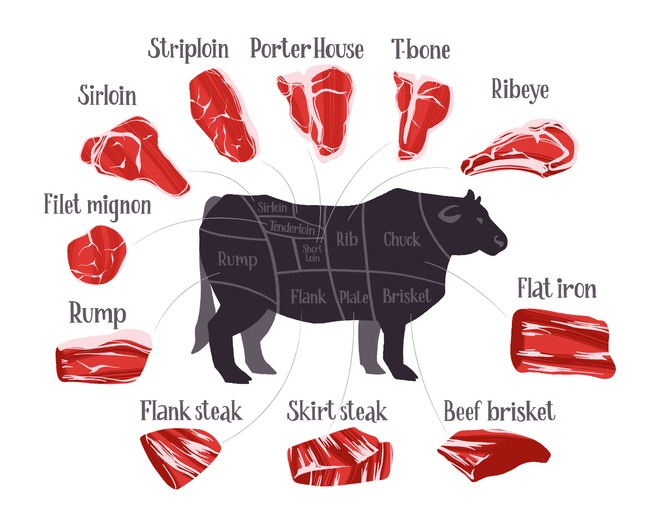
My post content
Purchasing grass-fed beef directly from Texas ranchers offers superior quality, better nutrition, and significant cost savings compared to store bought options. However, buying beef in Texas requires careful planning for storage space, transportation, and understanding different purchasing options from whole steers to ground beef packages.
This comprehensive guide walks Texas families through every aspect of purchasing the best grass fed beef, from evaluating ranch sources to calculating freezer space requirements and coordinating processing logistics that ensure your investment in quality nutrition delivers maximum value.
Planning Your Grass Fed Beef Purchase - Space, Budget, and Logistics
How Much Space Does Grass Fed Beef Take - Freezer Planning Essentials (Get a Bigger Freezer!)
Reality Check: You'll only utilize about 75% of your freezer space effectively! Packages don't fit perfectly, shelves create dead space, and irregular shapes mean you need MORE freezer capacity than theoretical calculations suggest.
Real-World Freezer Space Requirements:
Quarter beef (150-200 lbs): Need 8-12 cubic feet freezer capacity
Half beef (300-400 lbs): Need 16-22 cubic feet freezer capacity
Whole beef (600-800 lbs): Need 32-40 cubic feet freezer capacity
Ground beef packages (25-50 lbs): Need 4-5 cubic feet capacity
Real Example: A 10 cubic foot freezer fills completely with just 200 pounds of ground beef when accounting for package shapes, shelf spacing, and practical organization needs. A 14 cubic foot freezer provides about 10-11 cubic feet of usable space.
Upright vs. Chest Freezer Considerations:
Chest freezers: Better space utilization (up to 80-85%) but cuts get buried and lost at bottom
Upright freezers: Easier organization and access but lower space utilization (70-75%)
Recommendation: Upright freezers for most families to prevent "lost" expensive steaks
Critical Risk Management for Large Investments:
GFCI Circuit Warning: Many garages and utility rooms have GFCI outlets that can trip unexpectedly, causing total meat loss. Test your outlet and consider having an electrician install a dedicated non-GFCI circuit for freezer use.
Two-Freezer Strategy: For large purchases (half beef or more), consider two smaller freezers on different electrical circuits. If one fails, you only lose half your investment.
Generator Investment - Essential for Texas: Don't ask IF the power will go out during Texas storms - ask WHEN. A generator capable of running your freezers can save hundreds or thousands of dollars in spoiled meat. Size your generator to handle freezer loads plus essential appliances.
Temperature Monitoring: Use wireless temperature sensors like YoLink temperature monitors for alerts if freezer temperatures rise. These help monitor freezer function but won't help during power outages when you need your generator most.
Power Outage Protection Strategy:
Generator: Essential investment for protecting large beef purchases
Transfer switch or extension cords: Plan how to connect freezers to generator power
Fuel storage: Keep adequate fuel (with stabilizer) for extended outages (Texas storms can cause multi-day outages)
Testing schedule: Test generator monthly to ensure it starts when needed
Freezer Shopping Rule: Buy a freezer larger than theoretical calculations suggest. If calculations say you need 9 cubic feet, buy a 12-14 cubic foot freezer to ensure adequate space for your beef purchase plus other frozen foods.
How Much Is a Quarter of Grass Fed Beef - Investment Planning
Understanding Hanging Weight: Hanging weight (also called carcass weight) is what the beef weighs after slaughter when "hanging" in the cooler before processing. This is after removal of hide, head, feet, and organs, but before butchering into individual cuts. Ranchers price beef based on hanging weight, not final packaged weight.
Real Texas Example: Our recent whole steer purchase with 3 other couples provides actual numbers for planning your investment:
Whole Steer Breakdown:
Hanging weight: 988 lbs (what rancher charges for)
Final packaged meat: 603 lbs (61% yield from hanging weight)
Ranch price: $10/lb hanging weight = $9,880
Kill and transport fee: $195
Processing: $1.15/lb hanging weight = $1,136.20
Total cost: $11,211.20 for 603 lbs = $18.60/lb packaged
What This Price Includes: Remember, this $18.60/lb average includes ALL cuts - premium ribeyes, strip steaks, filet mignon, AND ground beef. When you consider that grass-fed ribeyes retail for $30-40/lb, this represents exceptional value.
Quarter Share Costs (Based on This Example):
Meat received: ~150 lbs packaged
Your share of costs: ~$2,803
Effective cost: ~$18.60/lb packaged (includes premium steaks AND ground beef)
Typical Texas Grass Fed Beef Pricing Range:
Ranch price: $8-$12 per pound hanging weight
Processing fees: $1.00-$1.25 per pound hanging weight
Kill/transport: $150-$250 (split among buyers)
Final packaged cost: $16-$22 per pound (all cuts averaged together)
Important Note: Prices vary significantly between farms and processors. Some ranchers include processing in their price, while others charge separately. Always ask for complete cost breakdown including all fees before committing to purchase.
Transportation Planning for Bulk Beef Purchases
Transporting grass fed beef requires careful planning for the volume and weight involved. The meat should be fully frozen at pickup, which helps with transportation but creates handling challenges.
Essential Transportation Supplies:
Gloves: CRITICAL - handling hundreds of pounds of frozen meat will make your fingers numb quickly
Multiple large coolers: Plan for 6+ large coolers (65-110 quart) for a whole beef split 4 ways
Additional smaller coolers: Bring extra coolers for overflow and organization
Transportation Timeline: If meat is fully frozen at pickup, it should remain safe for up to 2 hours of travel time without additional ice. For longer distances, add dry ice or plan for refrigerated transport.
Pickup Planning:
Plan for 1-2 hours of loading time at the processor
Bring multiple people to help carry heavy frozen packages
Organize coolers by family/shares before loading
Consider a pickup truck or trailer for large purchases
For distances over 100 miles, consider coordinating with other families to share transportation costs or arrange for processor delivery services available in some areas of Texas for additional fees.
Where to Buy Grass Fed Beef in Texas - Finding Quality Ranch Sources
Evaluating Texas Grass Fed Beef Ranchers
Quality beef starts with ranchers who practice regenerative agriculture on organic pastures, maintain transparency about feeding practices, and provide access to ranch visits or detailed information about their cattle management systems.
Questions to Ask Texas Grass Fed Beef Ranchers:
Is the beef 100% grass finished beef (never grain-fed)?
What forage and organic grass do cattle eat throughout the year?
Are cattle allowed to roam freely in open pastures for regenerative grazing?
What breed of cattle do you raise and why?
What processing facility do you use and is it USDA-inspected?
Can you provide references from other customers?
Do you offer ranch visits or tours of your grass fields?
Is your beef antibiotic and hormone free, with no added hormones or growth hormones?
Look for quality farm, family-run operations who welcome questions, provide detailed information about their practices, and demonstrate commitment to animal welfare and sustainability through regenerative agriculture methods that raise cattle the way nature intended.
Where in Texas Can I Buy Grass Fed Beef - Regional Opportunities
Texas offers numerous local beef purchasing opportunities across different regions, from East Texas pine forests to Hill Country limestone soils to South Texas coastal plains around San Antonio and Corpus Christi, each producing distinct flavor profiles based on native grasses and climate.
Major Texas Grass Fed Beef Regions:
East Texas: Pine-oak forest areas with diverse forage species
Hill Country: Limestone soils supporting nutrient-dense real grass
North Texas: Cross Timbers region with oak savannas
South Texas: Coastal plains with year-round growing seasons near San Antonio and Corpus Christi
West TX: High plains and desert grasslands
Many Texas ranchers participate in farmers markets in Houston, Dallas, Austin, San Antonio, and Fort Worth, providing opportunities to meet producers and sample Texas grass fed beef before placing bulk orders to fill your freezer.
Texas Ranch Direct vs. Farmers Market Purchasing
Purchasing directly from Texas ranches often provides better pricing and more customization options compared to farmers market purchases, but requires more planning and typically involves minimum order quantities for bulk purchases.
Ranch direct purchases allow custom processing requests including specific cut instructions, organ meat inclusion, and specialty items like bone broth bones or tallow that may not be available through farmers market vendors.
Farmers Market Strategy: Use farmers markets to sample products and build relationships with ranchers before committing to large purchases. Talk with ranchers at farmers markets to determine if they sell beef in larger quantities beyond their market offerings - many vendors also do bulk sales direct from the ranch.
Farmers markets provide opportunities to taste the beef quality and evaluate rancher knowledge before placing bulk orders, making them ideal starting points for finding the right producer for your family's needs.
Purchase Options - Whole, Half, Quarter, or Custom Packages
Whole Beef Purchases - Maximum Value for Large Families
Purchasing a whole grass fed beef provides the highest quality at maximum cost savings and allows complete customization of processing specifications, but requires significant freezer space and upfront investment suitable for large families or buying groups.
Whole beef purchases typically yield 600-800 pounds of vacuum sealed cuts of meat including premium steaks, roasts, ground beef, organs, bones, and specialty cuts that provide complete nose-to-tail nutrition at the lowest per-pound cost.
Consider organizing buying groups with friends, neighbors, or church members to share half or whole beef purchases, splitting costs and meat portions while still achieving bulk pricing advantages.
Half and Quarter Beef - Balanced Options for Most Families
Half and quarter beef purchases offer balanced selections of steaks, roasts, and ground beef suitable for most Texas families without requiring excessive freezer space or massive upfront investments.
Quarter Beef Reality (Based on Our Actual 4-Way Split):
Premium steaks: 17+ lbs (NY Strip, Filet, Sirloin steaks combined)
Bone-in ribeye: 10+ lbs
Chuck roasts: 16+ lbs (excellent for slow cooking)
Ground beef: 85+ lbs (342 lbs total ÷ 4 families = ~85 lbs per family)
Brisket: 6+ lbs (trimmed for optimal barbecue preparation)
Stew meat: 5+ lbs
Specialty cuts: Tri-tip (2.5 lbs), flank/skirt (0.8 lbs), liver (2.2 lbs), soup bones (2.3 lbs), heart, oxtail, tongue
Processing Note: Ground beef quantities depend on which cuts you choose to grind. We got 342 lbs total ground beef from our 988 lb hanging weight steer, giving each family about 85 lbs of ground beef - enough beef available to fill your freezer with versatile, humane, locally raised protein.
This provides exceptional variety with substantial quantities of premium cuts - over 27 pounds of premium steaks per family, plus significant roast quantities for diverse meal planning.
Custom Packages and Specialty Orders
Many Texas grass fed beef ranchers offer custom packages designed for specific needs including ground beef bulk orders, steak-only packages, or organ meat specialties for those following carnivore or ancestral nutrition protocols.
Custom packages allow purchasing specific cuts without committing to whole animal purchases, ideal for families with limited freezer space or specific dietary preferences requiring particular cuts or processing specifications.
Ground beef bulk orders (25-50 pounds) provide excellent entry points for families transitioning to grass fed beef while requiring minimal freezer space and lower upfront investment.
USDA Certified Processing and Quality Considerations
Processing Requirements for Texas Grass Fed Beef
Processing Certification Requirements:
USDA certification: Required only for beef crossing state or international lines
State-inspected facilities: Legal for beef sold within Texas, often smaller local processors
Custom exempt: For personal use only (not for resale)
Important Note: The rancher typically chooses the processor based on their established relationships, trust, and delivery convenience. Customers generally don't have processor choice unless purchasing a live animal directly.
Understanding Your Rancher's Processor Choice:
USDA certified: Necessary if you plan to sell any beef or transport across state lines
State-inspected: Perfectly legal for Texas consumption, different regulatory guidelines
Ask about procedures: Inquire about aging time, custom cutting options, and packaging methods
Reputation matters: Your rancher's long-term relationship with their processor indicates quality
Most ranchers work with processors they know and trust, often developing relationships over years that ensure consistent quality and reliable service. Focus on finding a rancher whose processing standards and procedures meet your needs rather than trying to specify processor choice.
Custom Processing Instructions and Special Requests
Work with your rancher and butcher to specify cut thickness, packaging preferences, and special requests including organ meat processing, bone broth bones, or tallow rendering that maximize value from your beef purchase.
Common Processing Customizations:
Steak thickness (3/4 inch to 2+ inches) for optimal tenderness
Ground beef package sizes (1, 2, or 5-pound packages)
Roast sizes based on family cooking preferences
Organ meat processing and packaging
Soup bone cutting and packaging for enhanced marbling in broths
Fat rendering for tallow
Special brisket trimming for barbecue preparation
Clear communication about processing preferences ensures you receive exactly what your family needs while avoiding disappointment with standard processing specifications that may not match your cooking style.
Aging and Packaging for Maximum Quality
Properly aged and packaged organic beef maintains quality of meat for 12-24 months in freezer storage when processed at quality facilities using appropriate vacuum packaging or butcher paper wrapping methods.
Dry aging (14-21 days) significantly improves grass fed beef tenderness and flavor, while proper packaging prevents freezer burn and maintains meat quality throughout extended storage periods. This attention to detail ensures freshness delivered right to your doorstep.
Discuss aging and packaging options with your rancher, as some processors offer premium packaging services including individual vacuum sealing that extends storage life and improves convenience for meal planning.
Working with Other Families - Buying Groups and Shared Purchases
Organizing Grass Fed Beef Buying Groups
Forming buying groups allows families to access whole beef pricing while sharing costs and meat portions, making grass fed beef more affordable and manageable for families with limited storage space or smaller budgets.
Buying Group Organization Tips:
Start with 2-4 trusted families with similar values
Establish clear agreements about costs, pickup, and meat division
Choose one person to coordinate with rancher and processor
Plan meat division before processing to ensure fair distribution
Consider dietary preferences and cooking skill levels
Successful buying groups often become ongoing partnerships that extend beyond beef purchases to include other farm products or seasonal bulk buying opportunities.
Coordinating Pickup and Distribution
Plan pickup and distribution logistics carefully to ensure all families receive their portions promptly while maintaining proper refrigeration throughout the distribution process.
Coordinate with the processor to schedule pickup times that accommodate all buying group members, bringing adequate coolers and ice for temporary storage during distribution activities.
Consider meeting at a central location with freezer access for distributing meat portions, allowing families to properly package their portions before transport to home freezers.
Cost Sharing and Payment Coordination
Establish clear payment procedures including deposit requirements, final payment timing, and methods for handling processing fees and transportation costs that ensure fair cost distribution among all buying group members.
Payment Coordination Elements:
Initial deposits to secure ranch booking
Final payment timing (usually before processing)
Processing fee distribution (per pound or equal shares)
Transportation cost sharing
Handling of any unexpected costs or changes
Clear financial agreements prevent misunderstandings and ensure smooth transactions that maintain good relationships within buying groups and with ranchers.
Storage and Meal Planning After Purchase
Organizing Your Grass Fed Beef Inventory
Proper inventory organization maximizes the value of your grass fed beef investment by ensuring nothing gets forgotten in freezer storage while enabling efficient meal planning using different cuts appropriately.
Freezer Organization Strategies:
Label all packages with cut type and processing date
Group similar cuts together (steaks, roasts, ground beef)
Create inventory lists posted on freezer door
Rotate older packages to front for first use
Plan weekly meals around available cuts
Consider creating a simple spreadsheet or notebook tracking your inventory, noting cuts used and remaining quantities to help with future purchase planning and meal preparation.
Meal Planning with Diverse Cuts
Grass fed beef purchases provide diverse cuts requiring different cooking methods and meal planning approaches that maximize both nutrition and eating enjoyment while ensuring all cuts get used appropriately.
Cut Usage Planning:
Premium steaks: Special occasions and quick weeknight dinners
Roasts: Sunday meals and slow cooker preparation
Ground beef: Weeknight convenience and meal prep
Soup bones: Bone broth and nutrient-dense cooking
Organ meats: Nutritional powerhouses for adventurous cooking
Learning to cook less familiar cuts like short ribs, chuck roasts, and organ meats ensures maximum value from your beef purchase while expanding your family's culinary skills and nutritional intake.
Long-Term Storage and Quality Maintenance
Properly stored grass fed beef maintains excellent quality for 12-24 months, providing long-term food security and convenience while ensuring your investment continues delivering value throughout extended storage periods.
Monitor freezer temperatures (ideally 0°F or below), check package integrity periodically, and rotate inventory to ensure older packages get used first while maintaining optimal storage conditions for maximum quality retention.
Plan to use ground beef within 6-12 months and steaks/roasts within 12-24 months for best quality, while properly packaged grass fed beef remains safe for consumption well beyond these timeframes.
Conclusion: Making Your Grass Fed Beef Purchase Successful
Purchasing Texas beef requires planning and coordination, but provides superior quality, better nutrition, and cost savings, and connection to local Texas ranchers practicing regenerative agriculture that benefits both human health and environmental sustainability.
Start with smaller purchases like ground beef packages or quarter beef to learn storage and cooking techniques before progressing to larger purchases that provide maximum cost savings and variety. Many quality farms now offer options to order online with free shipping or free delivery to your local area.
Building relationships with quality Texas ranchers through farmers markets, ranch visits, or referrals from other customers ensures access to the best beef while supporting agricultural practices that heal the land and provide nutrient-dense food for Texas families.
Your investment in organic grass-fed beef from pasture-raised cattle supports regenerative agriculture, provides the best grass fed nutrition for your family, and connects you to the land and people producing your food with integrity and stewardship that honors God's creation. Unlike supermarket options, this Texas raised, high-quality protein comes free from hormones and represents a commitment to both your family's health and sustainable farming practices.
Ready to purchase grass fed beef in Texas? Contact local ranchers, visit farmers markets, and start planning your freezer space for a purchase that will transform your family's nutrition while supporting sustainable agriculture in the great state of Texas.
Sign up for our mailing list to be notified when Lone Star Regenerative starts selling premium Texas grass-fed beef. Be among the first to access premium, regeneratively-raised beef that honors biblical stewardship and provides superior nutrition for your family.
Frequently Asked Questions About Purchasing Grass Fed Beef in Texas
How Long Does Grass Fed Beef Last in the Freezer?
Properly packaged grass fed beef maintains excellent quality for 12-24 months in freezer storage, with ground beef best used within 6-12 months and steaks/roasts maintaining quality for 18-24 months when vacuum-packed or wrapped in butcher paper.
Grass fed beef actually stores better than grain-fed beef due to higher antioxidant content and better fat composition that resists rancidity during long-term frozen storage.
What's the Difference Between Grass Fed and Grass Finished?
Grass fed means cattle ate grass during their lives but may have received grain finishing in feedlots, while grass finished means cattle ate only grass and forage throughout their entire lives without any grain supplementation.
For maximum nutrition and environmental benefits, choose 100% grass fed AND grass finished beef from Texas ranchers who maintain cattle on pasture throughout their entire lives.
How Much Grass Fed Beef Does a Family Need?
A typical family of four consuming beef 2-3 times per week needs approximately 200-300 pounds of beef annually, making a quarter to half beef purchase ideal for most Texas families depending on other protein sources.
Consider your family's eating habits, other protein preferences, and storage capacity when determining purchase size, remembering that grass fed beef provides more nutrition per serving than conventional beef.
Can I Visit the Ranch Before Purchasing?
Many Texas grass fed beef ranchers welcome ranch visits and tours, providing opportunities to see cattle management practices, meet the farmers, and evaluate ranch conditions before making purchase decisions.
Schedule ranch visits during convenient times for ranchers (often weekends or arranged appointments) and prepare questions about feeding practices, grazing management, and cattle handling procedures.
Texas Grass Fed Farms
Families Deserve Food That Heals, Not Harms
© Texas Grass Fed Farms 2025. All rights reserved.